AEG Washing Machine Leaking Water – Causes and Solutions
Issue
If your AEG washing machine is leaking water, you may notice water underneath the appliance, moisture around the base, leaks from the detergent drawer, or water escaping around the door seal.
In many cases, the issue is caused by a loose or damaged inlet hose, excessive detergent use, a blocked detergent drawer, an overloaded drum, or a problem with the door seal. Identifying the source of the leak early can help prevent damage to flooring and surrounding cabinets.
Typical signs
- Water pooling underneath the washing machine
- Water dripping from the rear of the appliance
- Water leaking from the detergent dispenser drawer
- Moisture around the door area
- Water appearing during filling, washing, or draining cycles
Applies to
- AEG washing machines
- AEG washer dryers
Resolution
Start by checking the most common causes of the leak. In many cases, the issue can be resolved without service by inspecting water connections, cleaning components, and ensuring the appliance is used correctly.
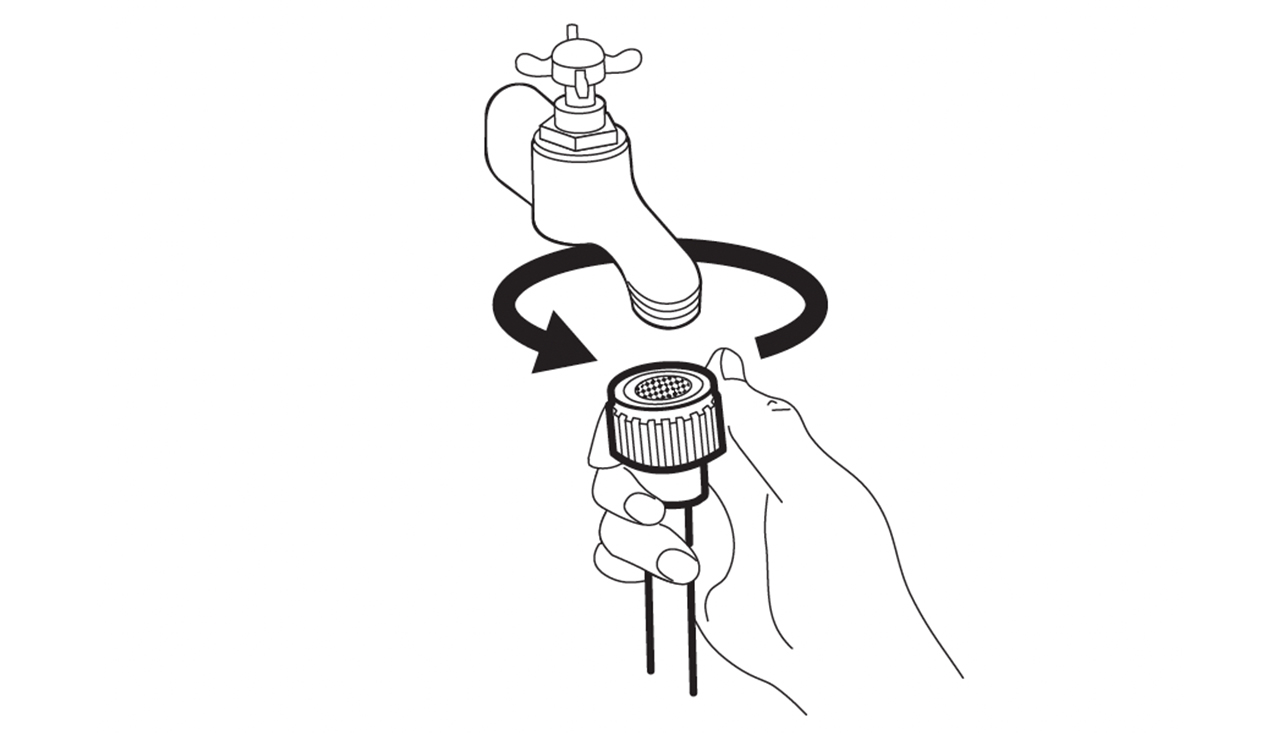
1. Inspect the water inlet hose and connections
A damaged or poorly connected inlet hose is one of the most common causes of water leakage.
- Turn off the water supply.
- Check the inlet hose for cracks, splits, or visible damage.
- Inspect the rubber O-ring seal inside the hose connection.
- Ensure both ends of the hose are securely attached.
- Tighten connections by hand only. Over-tightening can damage seals.
- Check whether the leak originates from the household tap rather than the appliance.
If the hose is split or damaged it must be replaced. You can buy a new hose on our Webshop.
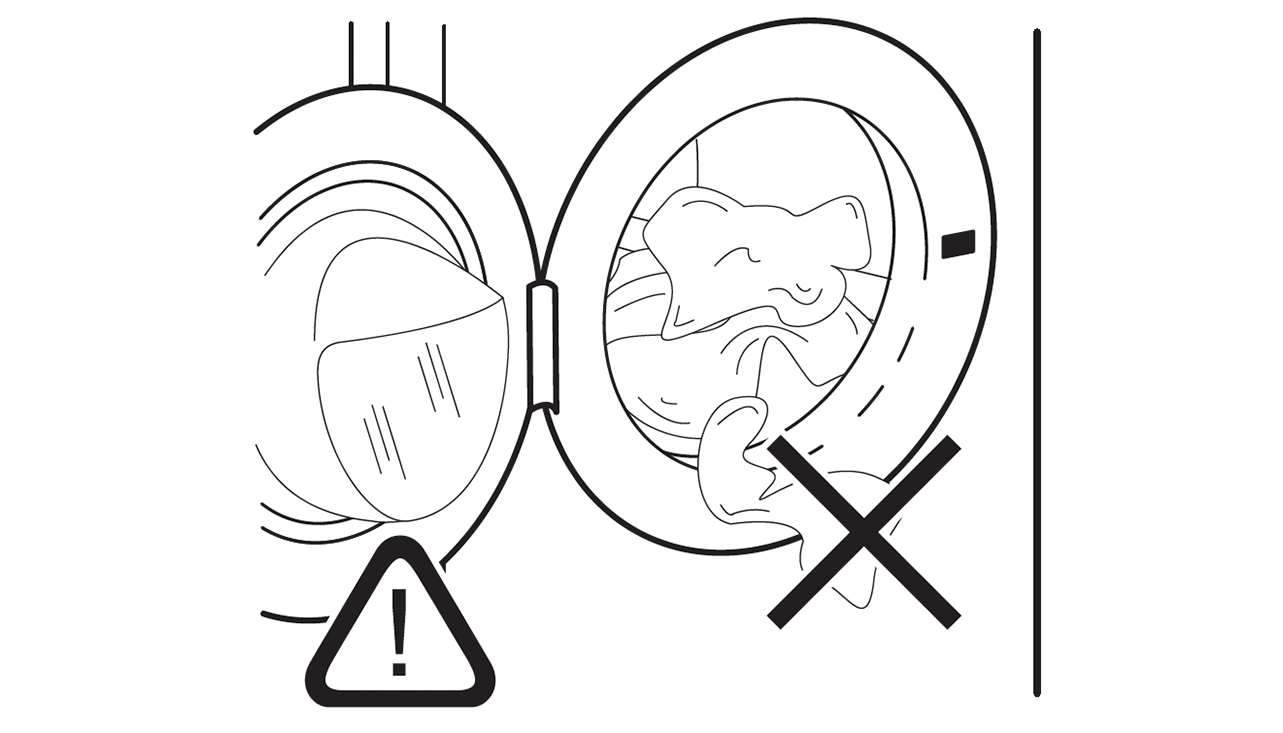
2. Check for overloading and trapped laundry
When the drum is overloaded, laundry can become trapped between the door seal and the glass, allowing water to escape during the wash cycle.
- Remove some items if the machine is overloaded.
- Check the maximum load capacity in the user manual.
- Inspect the area between the door seal and the door glass.
- Remove any trapped garments or foreign objects.
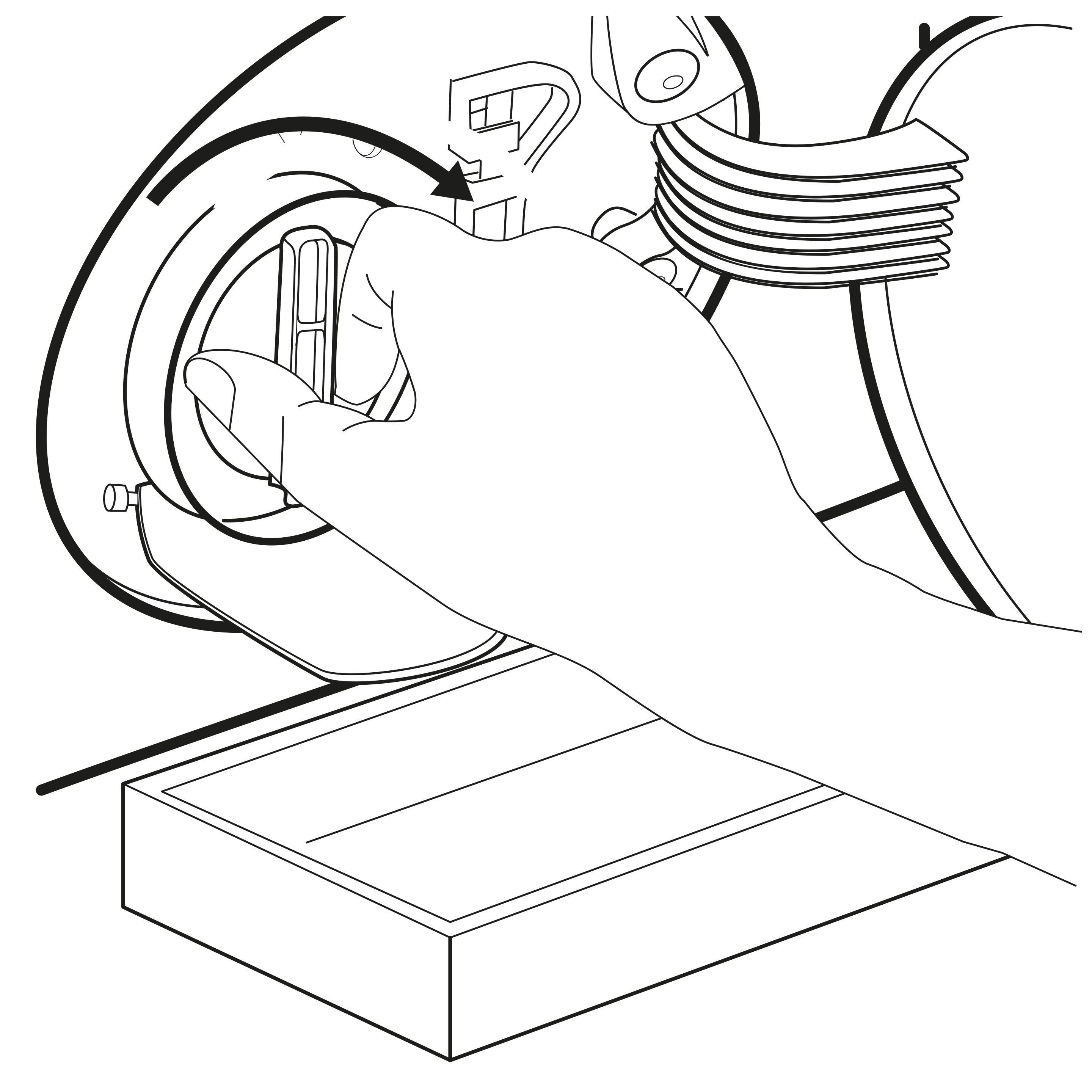
3. Inspect the drain filter area
A filter that is not correctly fitted can allow water to leak during operation.
- Locate the drain filter access panel.
- Check that the filter is fully inserted.
- Tighten the filter securely by hand.
- Look for signs of water around the filter housing.
4. Verify detergent dosage
Excessive detergent can generate large amounts of foam. In some cases, excessive suds can interfere with the appliance's water level detection system and contribute to leaks.
- Follow the detergent manufacturer's dosage recommendations.
- Adjust the amount based on load size, water hardness, and soil level.
- Use detergents suitable for automatic washing machines.
5. Clean the detergent drawer
Detergent residue, fabric softener deposits, and limescale can restrict water flow through the dispenser system.
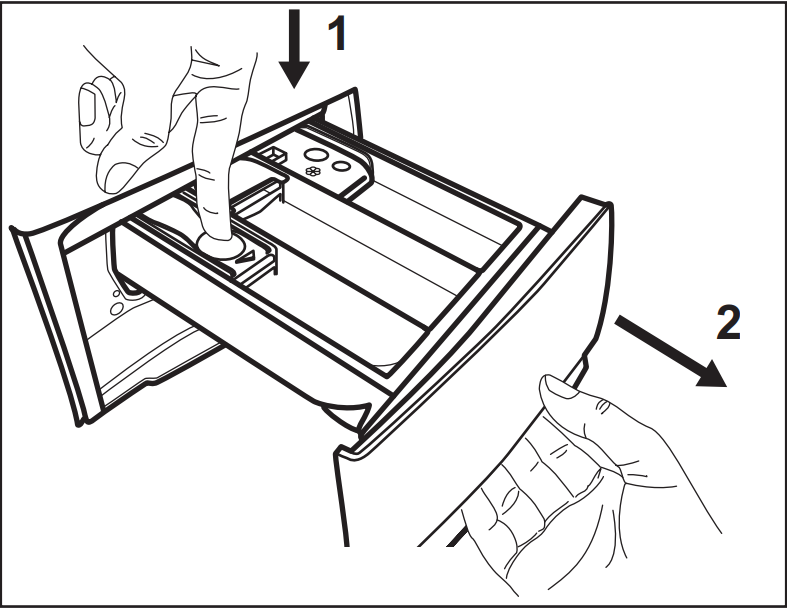
- Remove the detergent drawer.
- Clean all compartments thoroughly.
- Remove detergent build-up and limescale deposits.
- Clean the dispenser housing if accessible.
- Refit the drawer and test the appliance.
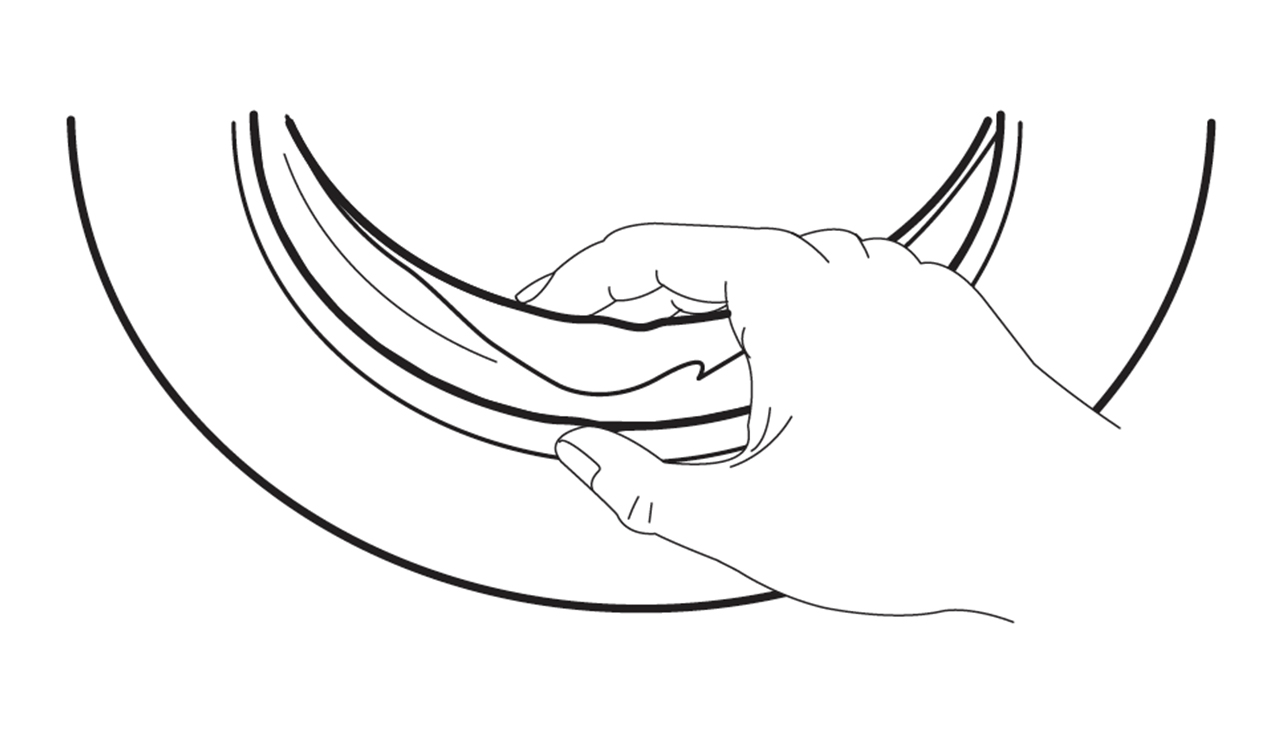
6. Examine the door seal
The door seal (door gasket) prevents water from escaping during operation. Damage to the seal can result in leakage from the front of the appliance.
- Open the door.
- Carefully inspect the entire seal.
- Look for tears, cracks, holes, or deformation.
- Remove any foreign objects trapped in the folds of the seal.
If the door seal is damaged, it must be replaced by a qualified service engineer.
Important
- Always disconnect the appliance from the power supply before carrying out inspections.
- Turn off the water supply before removing or checking hoses.
- Do not continue using the appliance if water is leaking from a damaged door seal.
- Persistent leaks can cause damage to floors, cabinets, and electrical components.
When Is It a Genuine Fault?
The issue may indicate a genuine appliance fault if:
- The inlet hose, filter, and detergent drawer have been checked and are functioning correctly.
- The door seal is damaged.
- Water continues leaking from inside the cabinet.
- The leak occurs during every programme.
- Internal components such as valves, pumps, hoses, or the detergent dispensing system may be defective.
In these cases, there may be a fault with the water inlet system, internal hose assemblies, drain pump, detergent distribution system, or door seal assembly.
Still need help? Book a Repair
If your AEG washing machine still has problems after completing the recommended checks, our specially trained technicians can quickly identify the cause and carry out the necessary repair.
Cause
Water leaks from washing machines typically occur when water escapes from the designed hydraulic circuit.
Common causes include:
- Loose or damaged water inlet hoses
- Worn or missing hose seals
- Overloading causing water to bypass the door seal
- Excess detergent producing excessive foam
- Blocked detergent drawers or dispenser channels
- Improperly fitted drain filters
- Damaged door seals
- Faulty internal valves, pumps, or hoses
The most common cause is a leak from the inlet hose or its connections.
FAQ
Why is water leaking from underneath my AEG washing machine?
The most common causes are damaged hoses, loose connections, filter leaks, or internal component failures.
Can too much detergent cause a leak?
Yes. Excessive detergent can create foam that interferes with normal water management and may contribute to leaks.
Why is water coming from the detergent drawer?
The drawer or dispenser channels may be blocked with detergent residue or limescale.
Can overloading cause water leaks?
Yes. Overloading can trap laundry between the door seal and glass, allowing water to escape.
Can I use the appliance if the door seal is damaged?
No. The appliance should not be used until the seal has been repaired or replaced.
When should I arrange a service visit?
Arrange service if the leak continues after all recommended checks or if internal components appear to be defective.
Was this article helpful?
Related Articles
- The door of the washing machine cannot be opened
- Washing machine emits humming / pumping noise
- AEG washing machine – how to reset the WiFi settings
- AEG Washing Machine displays an error code - causes and solutions
- AEG Washing machine displays padlock
- Washing Machine Not Working or Not Turning On – Troubleshooting Guide
- How to connect your AEG washing machine, tumble dryer or washer dryer to the app
- The washing cycle is shorter / longer than indicated on the display
- Washing machine blows fuses / trips RCD circuit breaker
- How to change the temperature in the ECO 40-60° program?
Spare parts & Accessories
Find original spare parts and accessories for your appliance in our webshop and have them delivered directly to your door.
Related Articles
- The door of the washing machine cannot be opened
- Washing machine emits humming / pumping noise
- AEG washing machine – how to reset the WiFi settings
- AEG Washing Machine displays an error code - causes and solutions
- AEG Washing machine displays padlock
- Washing Machine Not Working or Not Turning On – Troubleshooting Guide
- How to connect your AEG washing machine, tumble dryer or washer dryer to the app
- The washing cycle is shorter / longer than indicated on the display
- Washing machine blows fuses / trips RCD circuit breaker
- How to change the temperature in the ECO 40-60° program?